How to Communicate Your Vision to Your Builder
When you’re investing in building a custom home in Perth, you’re likely looking for something beyond the ordinary. Your new home should do more than reflect your tastes and meet practical needs. It needs to elevate your lifestyle, make a statement for all the right reasons, and feel undeniably yours. For many people, it’s a once-in-a-lifetime opportunity to create a home that is both deeply personal and architecturally distinctive.
But achieving that level of outcome doesn’t happen by chance. It relies on how clearly you can communicate your ideas – and how well your builder can interpret what truly matters to you!
Whether you’re starting with a well-developed vision or just a strong sense that you want something personal and considered, clearly communicating your goals to your builder is essential.
If you’re preparing to build a custom home, this guide can help you prepare to express your ideas with clarity and confidence, so your builder can turn your vision into a home that lives up to everything you imagined it could be.
Why Clear Communication Matters
When you’re building custom, you’re not choosing from a catalogue – you’re setting the brief. And how you communicate that brief can shape the entire outcome.
Misalignment at the beginning can lead to:
- Revisions that blow out timelines
- Design decisions that don’t align with your lifestyle
- Frustrations between you, your family, and your builder
On the other hand, great communication creates clarity. It allows your builder to offer better suggestions, flag risks early, and give you more accurate pricing from the start.
The good news? You don’t need to speak like an architect to communicate well. You just need to know what to share and how.
Common Pitfalls (And How to Avoid Them)
Even experienced clients can fall into traps that derail early design conversations. Here’s what we see most often:
1. Being too vague.
Saying you want “an open plan living area” sounds clear, but it means something different to everyone. Do you mean sightlines from the kitchen to the alfresco? Do you want zones for cooking, dining, and relaxing that still feel connected? Try describing how you want the space to function.
For example: “We want to be able to cook while chatting to people in the lounge and still feel connected to the outdoor area.”
2. Focusing too much on aesthetics, not enough on function.
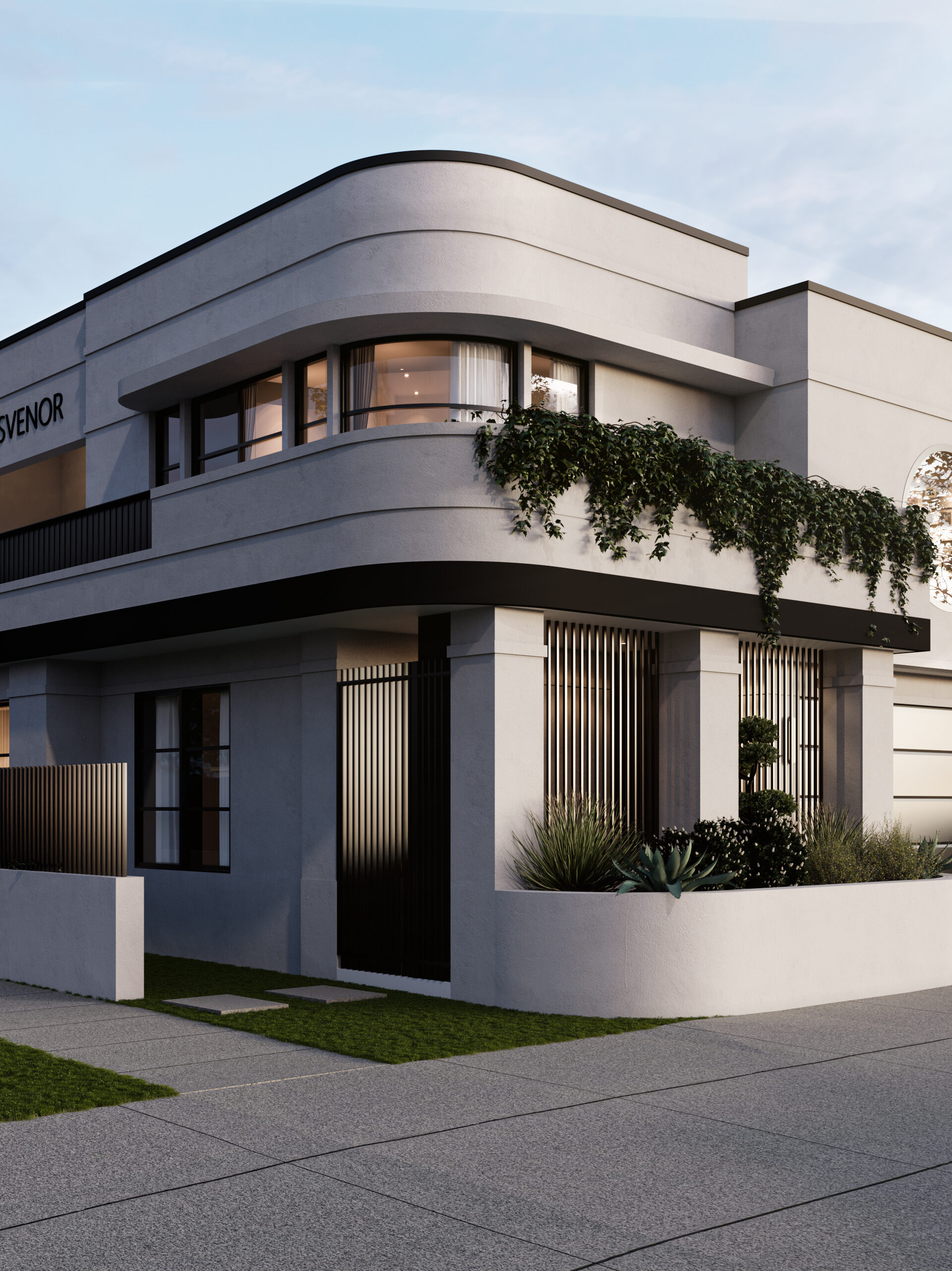
We often see clients come in with a strong aesthetic direction. They might show us images of sculptural staircases or striking facades, but haven’t yet considered how those elements affect the flow, layout, or day-to-day usability of the space.
For example, a feature staircase might be positioned in a way that interrupts natural circulation paths or creates privacy issues for adjacent rooms.
It’s easy to focus on style early in the process, but the most successful homes are those where the design works just as well for living as it does for visual impact. Let function guide form.
3. Assuming the builder will fill in the blanks.
If something is important to you, say it. A good custom home builder can absolutely help you narrow down your thinking and offer thoughtful suggestions, but ultimately, no one knows what you want and need as well as you do.
For instance, if you don’t want a TV to be the centrepiece of the living room, mention that. If you’re particular about not having internal steps for accessibility reasons, raise this during your design consultation.
Rather than leaving your builder to make assumptions, take the time to speak up about what matters – even if it feels obvious to you.
4. Changing your mind without shared documentation.
It’s natural for ideas to evolve. But if they change without a clear record of what’s been discussed, it creates confusion. We recommend keeping a shared folder with agreed-upon decisions, concept visuals, and notes from discussions. That way, everyone is working from the same understanding.
Tools That Can Help You Communicate Visually
Clear visuals speed up understanding. You don’t need architectural training – you just need references that help your builder see what you’re imagining.
1. Mood Boards & Image Collections
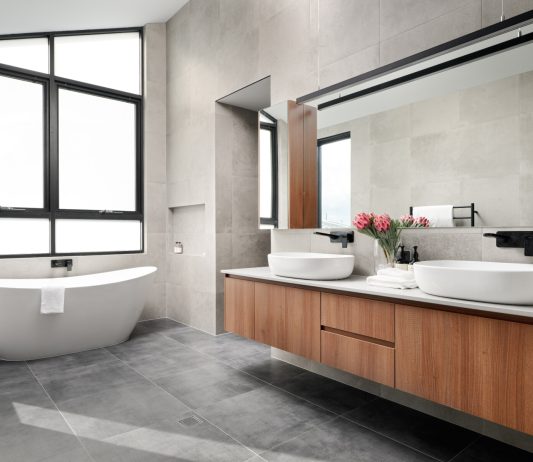
Save photos of exteriors, bathrooms, storage ideas, and even small styling details that appeal to you.
Pinterest and Instagram are great sources of inspiration, and your builder’s past projects can also spark ideas you may not have considered.
Then, when presenting these images to your builder, avoid sentences along the lines of “I like this kitchen”. Instead, try to explain what specifically works: “I like that the fridge is integrated into the cabinets, and the benchtop is the same colour as the splashback. It feels clean and seamless.”
To take things one step further, consider grouping also your images into categories: facade styles, joinery, lighting, and room layouts. You can then add notes directly to images if possible, or use a shared Google Drive or Pinterest board that your builder can access.
2. Basic Floor Plan Sketches and Room Lists
Even a hand-drawn sketch can communicate what words can’t. You might draw a U-shaped kitchen with a walk-in pantry tucked behind, or sketch a layout where bedrooms are clustered on one side for privacy. Alternatively, list must-have rooms and their relationships, like “Guest room near entry, kids’ bedrooms near family room, master suite separated for privacy.”
Articulating Lifestyle, Not Just Design Features
One of the most valuable things you can do is share how you want to live, not just what you want your home to look like.
Ask yourself:
- What’s the first thing you do when you get up in the morning? Would you like natural light in that space?
- Where do you spend time with your family during the week?
- Do you have rituals around weekends, like movie nights, morning coffee in the sun, or gardening?
- Do you value privacy between adult and children’s zones, or a layout that encourages interaction and watching your children play while you prepare dinner?
These kinds of insights help your custom home builder design from the inside out, instead of just making things look good on paper.
Balancing Vision With Practicality
Every custom build requires some trade-offs. The challenge is knowing which parts of your vision are essential and where you’re open to alternatives.
At Trendsetter, we help you:
- Prioritise what matters most.
- Understand how the site, orientation, and council rules affect the design.
- Navigate cost vs value decisions without losing sight of your goals.
Rather than seeing constraints as limits, we see them as opportunities for smart design. A narrow block might inspire a better use of vertical space. A height restriction might lead to more expansive internal voids.
How Trendsetter Can Turn Your Ideas Into Reality
Our design process is structured around listening first.
We start with a collaborative design briefing where you bring your ideas – no matter how polished or rough. From there, our design process is structured to ensure we genuinely understand you before we start building.
Here’s how it works:
-
- Discovery session: Bring whatever you’ve got: notes, sketches, Pinterest boards. Don’t worry if some of your ideas are only in the early concept phase – our team is well-versed at asking the right questions to clarify your thinking.
- Lifestyle brief: We dig into how you live, what your daily routines look like, who uses each space, and what matters most.
- Design concept development: We translate your ideas into concept visuals and floorplans that reflect both your aesthetic and your lifestyle.
- Finalising your vision: You review, edit, and adjust in design workshops until it feels right. Nothing moves forward without your full input.
This process is about listening first, not leading with assumptions. We respect that you’ve thought deeply about this home. Our job is to bring to life something extraordinary that feels like it’s truly yours.
Final Tips for a Smoother Journey
- Be honest, even when you’re unsure. A good builder can help shape loose ideas.
- Keep notes on preferences, decisions, and feedback from meetings.
- Clarify what’s a dealbreaker and what’s just a preference.
- Don’t rush. Good decisions made early save time and cost later.
- Stay open to advice, especially when it improves long-term liveability.
Ready to Shape Your Custom Home Vision?
At Trendsetter Homes, we work with clients at all stages of the design journey. Some come to us with a well-defined vision and a detailed brief. Others feel unsure of where to begin, but know they want something personal and considered. Wherever you are starting from, we have the process, tools, and experience to help you articulate your ideas and bring them to life with confidence.
Explore more custom home insights or contact us to start your design journey today.
"*" indicates required fields